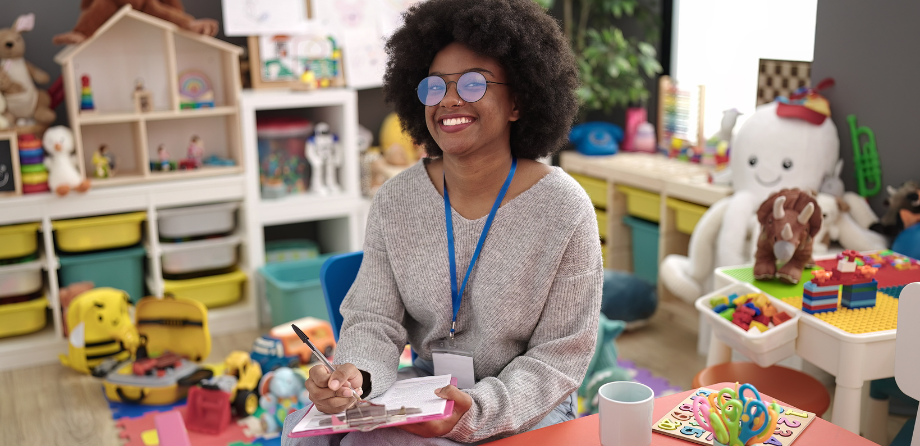
Our tips focus on two areas where individual responsiveness makes a particularly significant difference: the learning environment and inclusive practice.
Peer observations are a valuable approach for developing a reflective and supportive culture that promotes high-quality practice. They provide opportunities
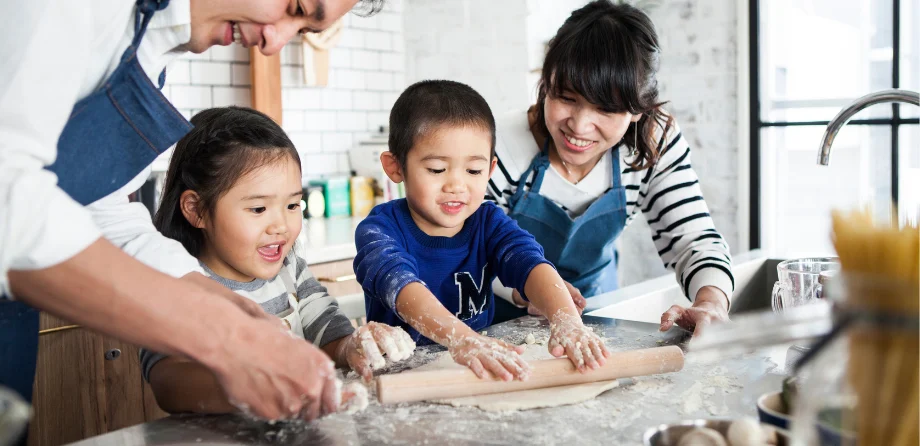
Supporting families with healthy eating is an important part of promoting children’s overall well-being. By building positive relationships and sharing
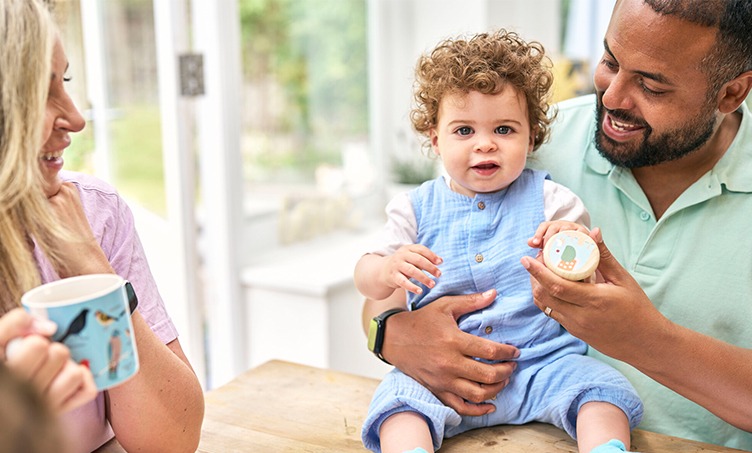
A child’s earliest years are a time of rapid physical, social and emotional development From midwives and health visitors to childminders and nursery workers,
Getting outside and learning with the children in your setting is key to improving their development in all areas. We wanted to give you a bit of inspiration
This week, the Met Office has issued weather warnings for extreme heat across parts of the UK. In this blog, we have compiled advice and tips for staying safe in high temperatures, along
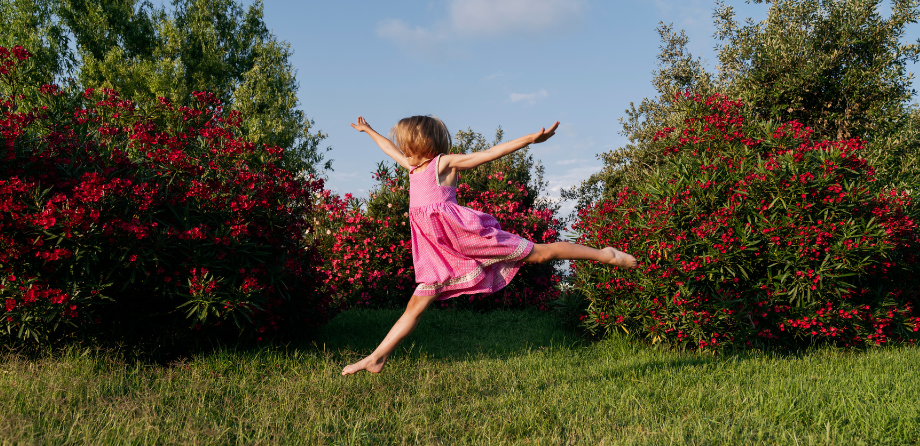
Bring movement, music and imagination together with this fun outdoors dance time activity. Children are encouraged to explore creative expression as they move like elements of the natural world – from swaying
The natural world offers a rich sensory, ever-changing environment, full of exciting features to explore and investigate and to learn through active enquiry, play and talk.
Give every child the best possible start through movement, nutrition and joyful everyday learning.
Healthy development doesn’t just happen: it grows through consistent, nurturing experiences. When early years settings champion physical activity and nutrition, children develop stronger bodies, more curious minds and a lifelong love of movement and food.
At the Alliance, we fully appreciate the importance of storytelling. And, whether reading from a book or simply making it up as we go along, time spent sharing a story with a baby or young child promotes
The Ofsted workshop at the recent Coram PACEY conference offered a detailed walkthrough of the renewed inspection framework, with a strong focus on transparency
Looking back on Childminding Week 2026, I feel an immense sense of pride in what we achieved as a community, and I am overwhelmed by the support that we have received from childminders
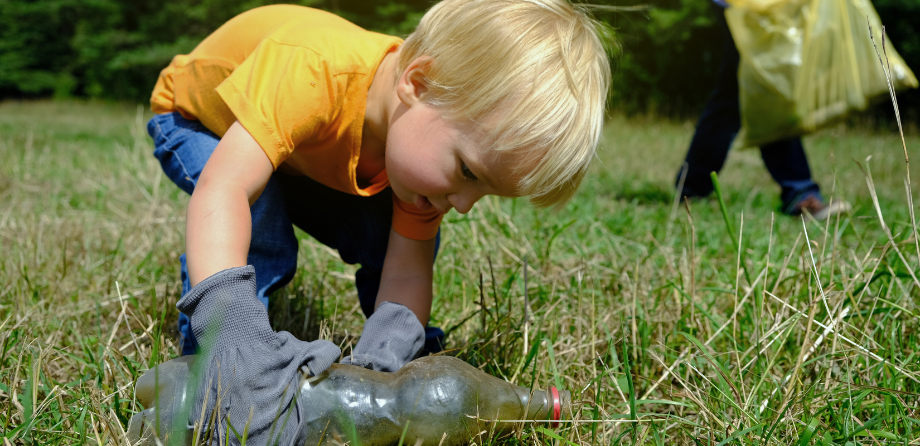
This sensory play activity provides young children with a hands-on opportunity to explore caring for the environment. Through imaginative play, children are introduced to the idea that oceans can become polluted and that they can help to make a difference. The activity encourages curiosity, cooperation and early awareness of looking after the world around them in a simple and engaging way.
Dummies can be a helpful way to comfort and settle babies, especially in the early months. However, as children grow, it’s important to balance dummy use with lots of opportunities to talk, listen and interact. These tips will help staff to support parents to make confident, informed decisions about when and how to use a dummy and how to reduce reliance on it over time.
Our tips focus on two areas where individual responsiveness makes a particularly significant difference: the learning environment and inclusive practice.
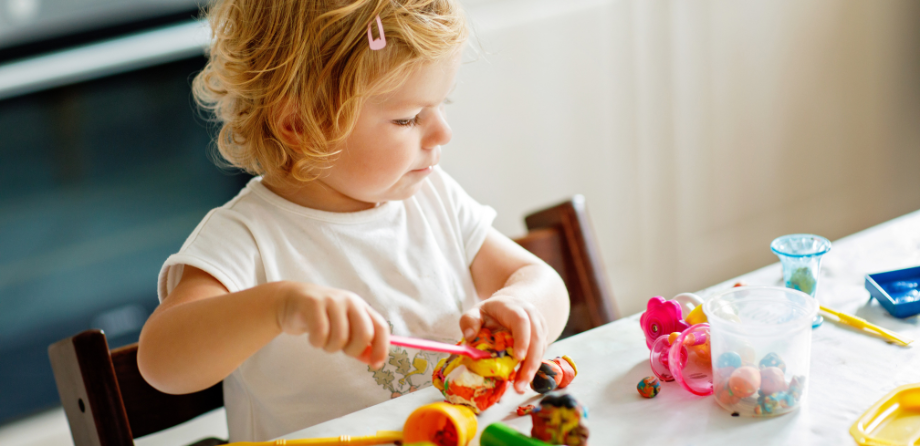
Playdough offers a rich sensory experience that nurtures creativity, imagination and fine motor development. Create an inviting space where children feel inspired to explore and engage in sensory play. This open-ended experience encourages children to experiment, create and express their ideas freely, supporting their curiosity and individuality.
Peer observations are a valuable approach for developing a reflective and supportive culture that promotes high-quality practice. They provide opportunities for practitioners to learn from one another, share ideas and strengthen collaborative working.
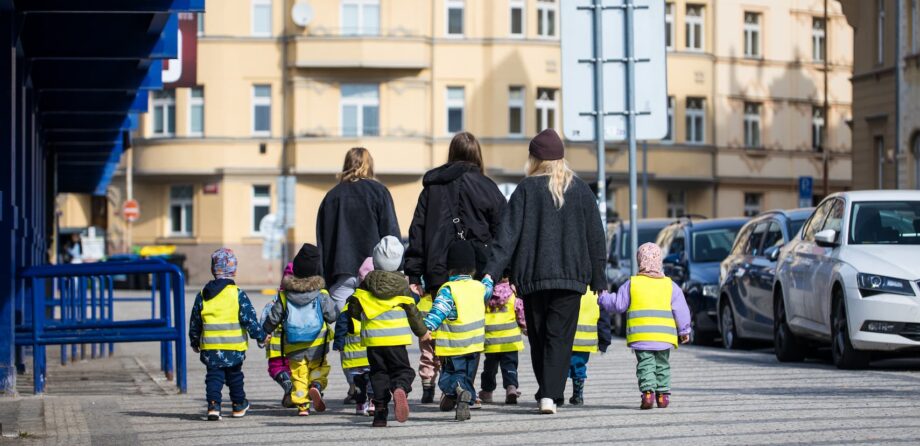
Support children to develop positive attitudes and interests in mathematics through engaging activities to explore shape. Our activity takes children into their local community to identify shapes in a familiar environment.
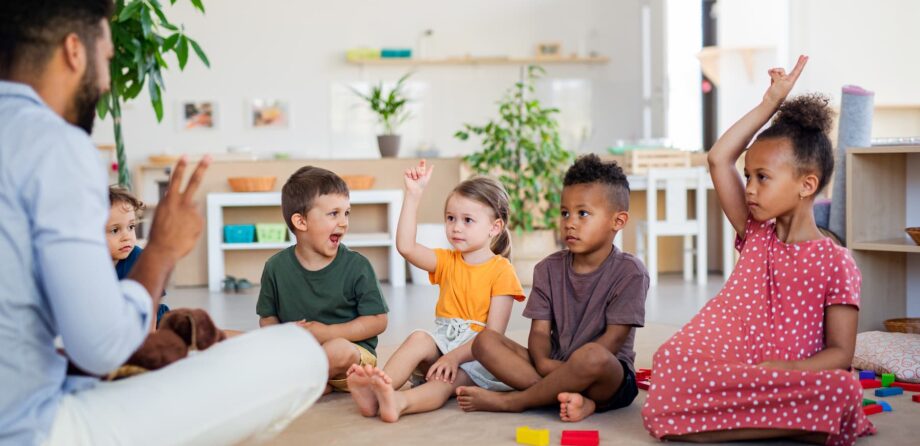
Providing meaningful opportunities for the voice of the child requires adults to genuinely listen, act upon what children are sharing and to teach children the power and importance of their own voice. Review our top tips below to assess your daily practice for including the voice of the child in your setting.
This activity supports practitioners to create a special picture book by inviting children to draw their own ideas as part of a shared story. Adults are there to support each child with their picture and write down their words, helping to build language and confidence. All the pages are then put together into a book to read and enjoy as a group, celebrating every child’s contribution and creating
Supporting families with healthy eating is an important part of promoting children’s overall well-being. By building positive relationships and sharing simple, achievable strategies, you can help parents feel more confident in creating healthy eating habits at home that work for them and their children.